Table of Contents
You know the temptation if you’ve ever looked at an SEO plugin telling you your keyword density is “too low”. Just say the phrase a few more times, right? Except that’s the way content becomes stiff, repetitive, and frankly a bit robotic to read.
There is no magic percentage when it comes to keyword density in SEO. It’s about putting your keyword where it matters most, so that both readers and search engines know what your page is about. I learned this first hand working on a client site where the target keyword keyword density in SEO.just was not ranking no matter how many times it was in the body copy.
What Keyword Density in SEO Actually Means
Keyword density is the percentage that a keyword appears on a page compared to the total word count. Most tools suggest a rate of between 1% and 2%, but that number is really more of a guideline than a hard and fast rule that Google enforces.
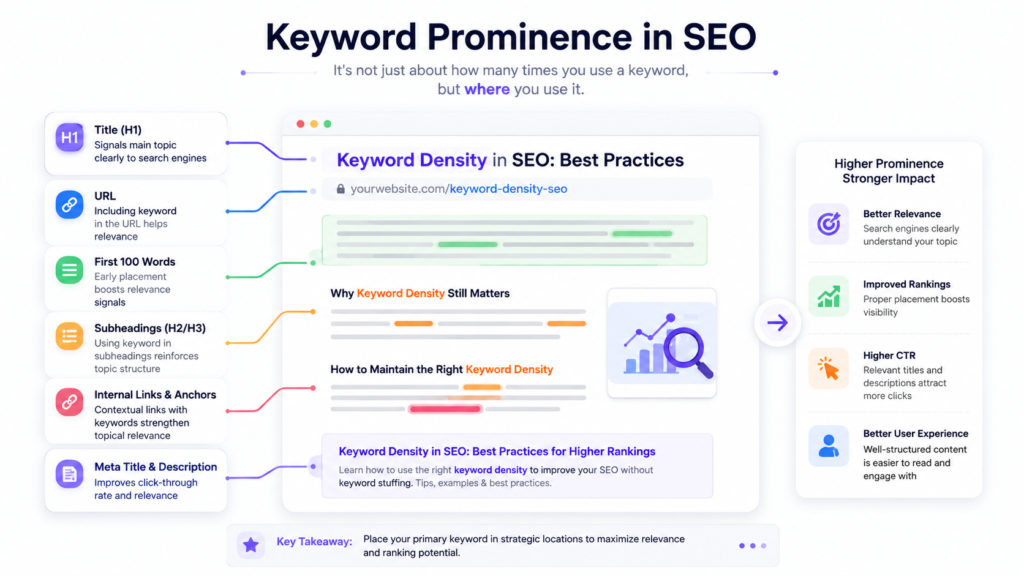
It is more about prominence – where the keyword is used, not just how often. A keyword that appears once in your title and first paragraph is usually more important keyword density in SEO.than the same keyword that appears ten times in the middle of a page.
A Real Example: Fixing a Page That Wasn’t Ranking
On one project, a page just wasn’t gaining keyword density in SEO traction despite having the target keyword scattered throughout the content. The problem wasn’t a lack of keyword usage. It was placement.
Here’s what I changed keyword density in SEO:
- Added the primary keyword to the title tag
- Placed it clearly in the H1
- Worked it naturally into the introduction
- Included it in the URL
- Added it to one or two relevant subheadings
- Layered in related keywords throughout keyword density in SEO.the body, instead of repeating the same phrase
I didn’t touch the overall keyword count much. keyword density in SEO I just moved it into the spots search engines weigh more heavily.Within about 4 to 8 weeks, the page started climbing in rankin-night results and give up on a fix before it’s had time to work.
The Mistake That Actually Hurts Rankings
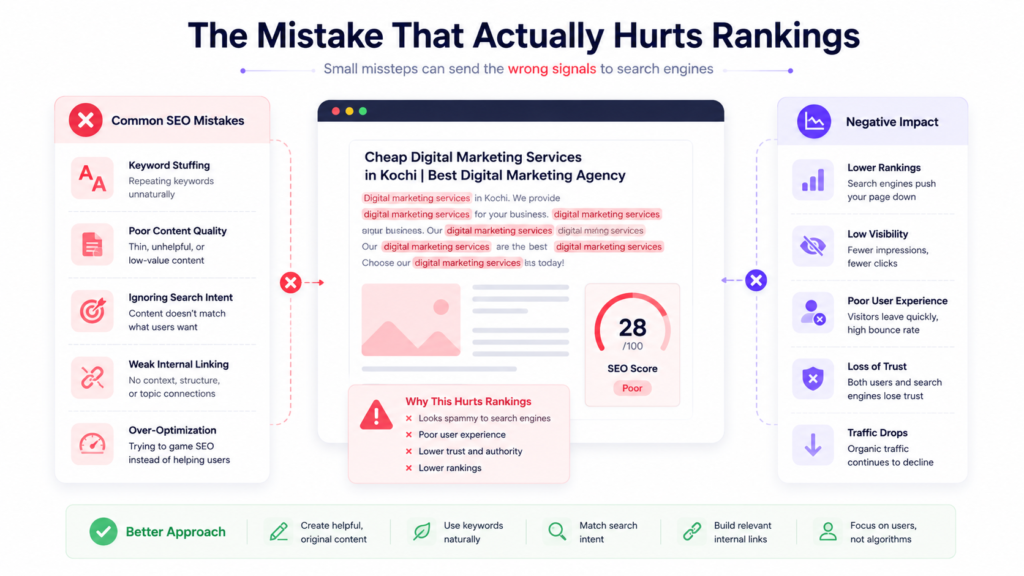
keyword density in SEO The biggest mistake I see, from people trying to make their website better is using the keyword too much in every heading and every paragraph. This does not help.
Here is why it is bad:
1. It does not sound natural when you read it. People notice when you say the thing over and over and it makes them not trust what you are keyword density in SEO saying about the keyword.
2. It can cause problems with search engines. keyword density in SEO They are good at finding patterns that do not look right.
3. It is bad for people who visit your website.. How people like your website is important for how it does, in search results.
Using the keyword much might have been a good idea a long time ago.. Now it is more likely to hurt your website than help the keyword.
Where Related Keywords Fit In
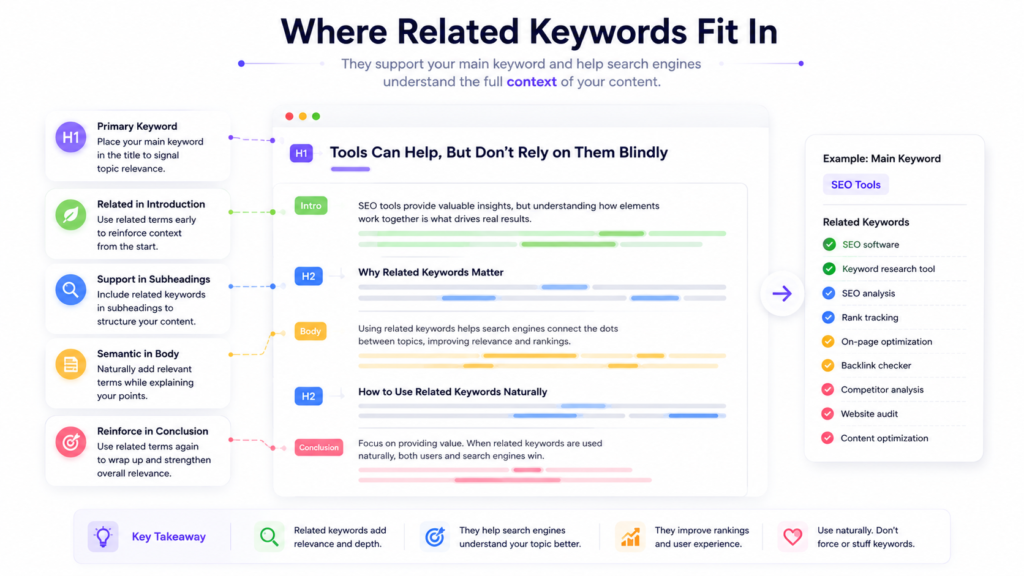
The way you place your keywords is very important. You also need to use keywords that are related to the main ones. These extra keywords help search engines see that your page is really about the topic and not just using one phrase to get a ranking.najafnizar
When you are talking about something like keyword density you can use keywords like how important keywords are, making your page better for search engines, where you put your keywords and using keywords in a smart way. If you use these keywords in a way in the headings and the rest of the text it helps people see that your page is really about the topic.
This is better, than using the same keyword over and over. Keyword placement and keyword density are important because they help with this. Using keywords like keyword prominence and semantic keyword usage also helps
Tools Can Help, But Don’t Rely on Them Blindly
I usually run my pages through Yoast SEO or Rank Math to get an idea of how I am using my keywords.. I do not think their scores are always right. These tools are good for finding mistakes but I do not use them to make my final decisions.
The best way to check is to read my content loud. If a sentence sounds weird because of where I put my keyword I need to rewrite it. This is what Yoast says now: Yoast says that keyword density is still a way to stay on topic but the best way to write is to focus on my content and use my focus keyword in a natural way rather than trying to put it in a specific place or use it a certain number of times like Yoast says in “Keyword density can still be a useful metric”. I think using my focus keyword naturally is better than trying to get a score, from Yoast SEO or Rank Math.
Common Questions About Keyword Density in SEO
Most SEO tools recommend targeting 1-2% keyword density; however, such a number is rather advisory in nature than the obligatory target that needs to be met. The key thing in regard to keywords is not the frequency of their mentioning in your text, but the natural usage of them in the places where it’s supposed to be.
Final Takeaways
When we talk about Search Engine Optimization or SEO the keyword density is not really about using the Search Engine Optimization keyword a lot. It is actually about where you put the Search Engine Optimization keyword and how the Search Engine Optimization keyword is related to the rest of the content.
If you have a page that is not doing well do not start by adding mentions of the Search Engine Optimization keyword. Instead start by checking if the Search Engine Optimization keyword’s even in the right places. For example check if the Search Engine Optimization keyword is in the title the heading and the introduction. This one simple change can often make a difference, between a page that does not do well and one that starts to do with Search Engine Optimization.